
RFID-Bestandsverfolgung für Wäsche im Gastgewerbe
Verbessern Sie die Transparenz, die Umlaufsteuerung und die Nachverfolgbarkeit der Wäsche im gesamten Gastgewerbe.
Warum die Sichtbarkeit von Wäsche wichtig ist
Hotels und Gesundheitseinrichtungen verwalten täglich große Mengen an Wäsche über mehrere Standorte, Abteilungen und Servicezyklen hinweg.
Ohne zuverlässige Aufzeichnungen lassen sich Verluste, Bestandsabweichungen und Probleme beim Umlauf über verschiedene Betriebsbereiche, Lagerräume und externe Wäschereidienstleister hinweg nur schwer erkennen.
Eine bessere Übersicht über die Wäschebestände hilft Unternehmen dabei, den Überblick darüber zu behalten, was verfügbar ist, in Gebrauch ist, gerade bearbeitet wird oder fehlt – was die Betriebsplanung, die Servicequalität und die Kostenkontrolle unterstützt.
Wäscheverlust und Schrumpfung
Fehlende Textilien erhöhen die Ersatzkosten und verringern die betriebliche Effizienz.
Eingeschränkte Bestandsübersicht
Schwierigkeiten, zu verstehen, was verfügbar ist, gerade genutzt wird oder gerade bearbeitet wird.
Manuelle Prüfungen und Zählungen
Physische Bestandsaufnahmen sind mit einem erheblichen Arbeits- und Zeitaufwand verbunden.
Rechenschaftspflicht bei der Wäsche
Es ist schwierig, die an Wäschereidienstleister gesendeten und von diesen zurückgesandten Mengen zu überprüfen.
Was RFID ermöglicht
RFID ermöglicht die Identifizierung auf Einzelstückebene und sorgt für Transparenz in den Arbeitsabläufen der Wäscheverwaltung im Gastgewerbe.
Jedem Wäschestück wird eine eindeutige RFID-Identität zugewiesen, wodurch seine Bewegungen an ausgewählten Kontrollpunkten im Betriebsablauf erfasst werden können.
Diese Aufzeichnungen bieten einen klareren Einblick in den Bestandsstatus, die Ausleihtätigkeit und die Wäscheabwicklungen – und ermöglichen so eine schnellere Überprüfung und eine bessere Nachvollziehbarkeit.
Transparenz im Lebenszyklus von Wäsche
Von der Erstregistrierung über den täglichen Umlauf bis hin zur endgültigen Ausmusterung sorgt RFID für Transparenz und Nachvollziehbarkeit während des gesamten Lebenszyklus der Wäsche.
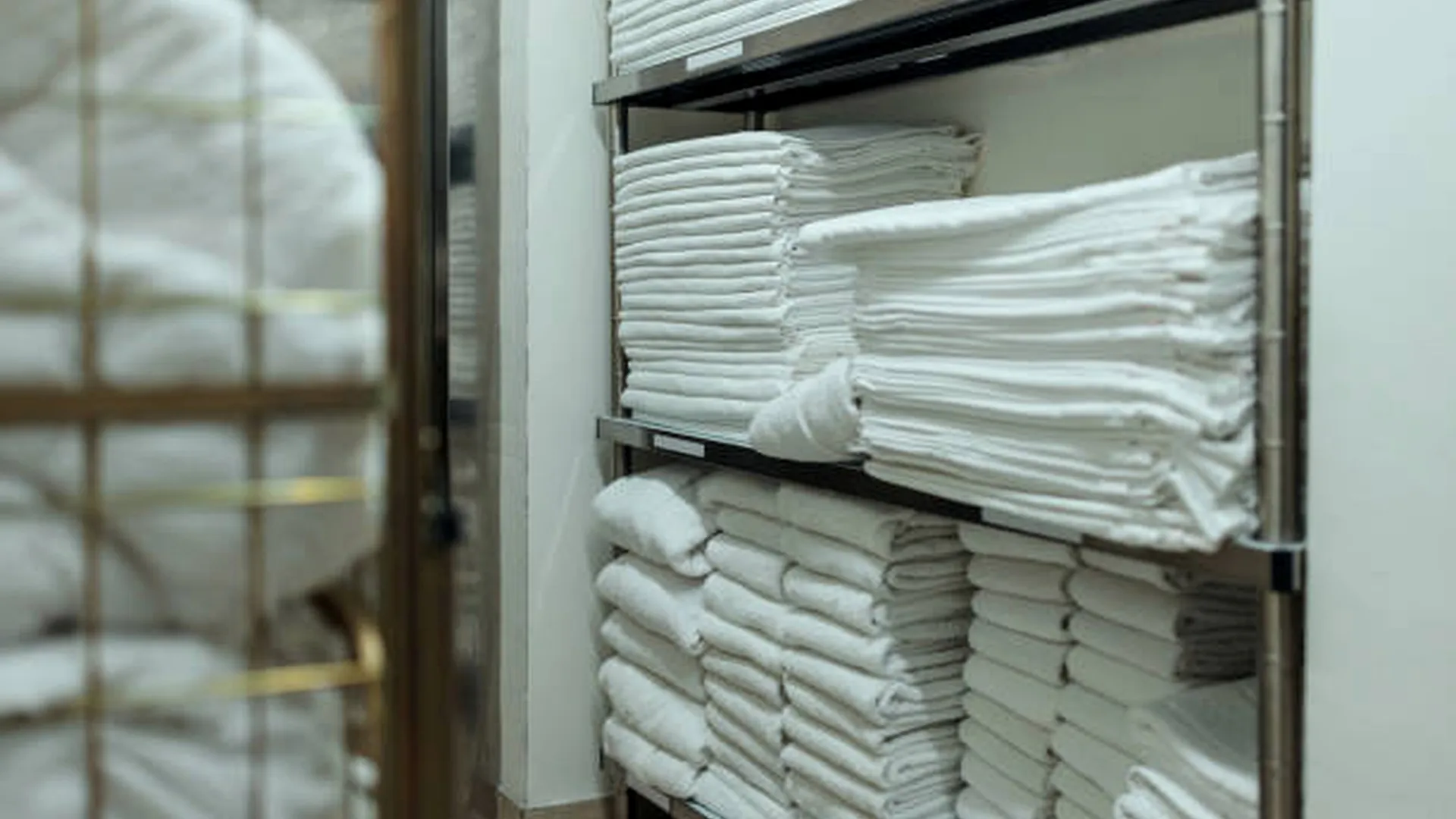
Unterstützung für einen intelligenteren Wäschebetrieb
Bessere Informationen über Bestände, Umlauf und Lebenszyklen der Bestände helfen Unternehmen dabei, die Zuteilung von Wäsche, die Ersatzplanung und die Effizienz im Tagesgeschäft zu verbessern.
Wäscheverluste reduzieren
Durch Bestandsaufzeichnungen lassen sich fehlende oder verspätete Wäsche leichter identifizieren, bevor sich Verluste häufen. Eine klarere Nachvollziehbarkeit über Abteilungen und Wäschereidienstleister hinweg trägt zudem dazu bei, wiederkehrende Ersatzkosten zu senken.
Verbesserung der Bestandsübersicht
RFID-Daten bieten einen besseren Überblick über die Wäsche, die verfügbar ist, gerade im Einsatz ist, bearbeitet wird oder auf die Rückgabe wartet. Dies ermöglicht eine genauere Bestandsplanung und schnellere operative Entscheidungen.

Unterstützung bei der Ersatzplanung
Lebenszyklusdaten liefern Einblicke in das Alter der Textilien, die Waschhäufigkeit und die Nutzungshistorie. So können Teams den Austausch früher planen, unerwartete Engpässe vermeiden und die Ausmusterung von Wäsche effektiver steuern.
Die Auslastung der Wäsche verbessern
Die Umlaufdaten zeigen, wie sich die Wäsche auf die verschiedenen Standorte verteilt und dort genutzt wird. Eine bessere Zuteilung trägt dazu bei, die Verfügbarkeit sicherzustellen und gleichzeitig Überbestände sowie unnötige Anschaffungen zu reduzieren.
Leinen nachverfolgen. Abläufe optimieren.
Entdecken Sie praktische RFID-Lösungen für die Wäscheverwaltung im Gastgewerbe.