
Soluciones RFID para lavanderías industriales
Mejora la precisión en la clasificación, el control de la distribución y la transparencia en la facturación en operaciones de lavandería de gran volumen.
Retos de las lavanderías industriales
Las operaciones de lavandería industrial dependen de un flujo constante de textiles a lo largo de los procesos de clasificación, lavado, almacenamiento, envío y devolución.
A medida que aumentan los volúmenes de procesamiento, la gestión manual dificulta el mantenimiento de recuentos precisos, registros de envío fiables y la visibilidad de los clientes, las rutas de entrega y las fases de procesamiento.
La tecnología RFID permite una identificación más estructurada de los textiles y una mayor visibilidad operativa a lo largo de los ciclos de lavado repetidos.
Clasificación y recuento manuales
La manipulación manual de cargas pesadas aumenta la carga de trabajo operativo y la falta de uniformidad.
Visibilidad limitada de los tejidos
Resulta difícil realizar un seguimiento del movimiento de los tejidos a lo largo de las distintas fases operativas.
Presión de verificación de envío
Los registros de entrega incoherentes pueden afectar a la responsabilidad de los clientes.
Cómo la tecnología RFID facilita los procesos de lavandería
La tecnología RFID contribuye a mejorar la visibilidad en los procesos de clasificación, expedición y circulación de productos textiles.
Etiquetado
Cada prenda lleva incorporada una etiqueta RFID resistente que garantiza una identificación fiable.
Clasificación
Los lectores RFID identifican y cuentan los textiles en los puntos de control de recepción y clasificación.
Envío
Los productos textiles que salen se comprueban antes del envío para mejorar la precisión del envío.
Seguimiento
Los movimientos registrados contribuyen a la transparencia, la rendición de cuentas y la facturación en el sector textil.
De la identificación de tejidos a la visibilidad operativa
La tecnología RFID parte de la identificación, pero su verdadero valor reside en lo que ocurre a continuación.
Al registrar los movimientos de los textiles en puntos de control clave, las lavanderías convierten la identificación de las prendas en registros operativos fiables para la verificación de los envíos, la visibilidad de la circulación y la rendición de cuentas ante los clientes.
De este modo, cada implantación puede adaptarse al flujo de trabajo, la envergadura y los requisitos de servicio de la lavandería.
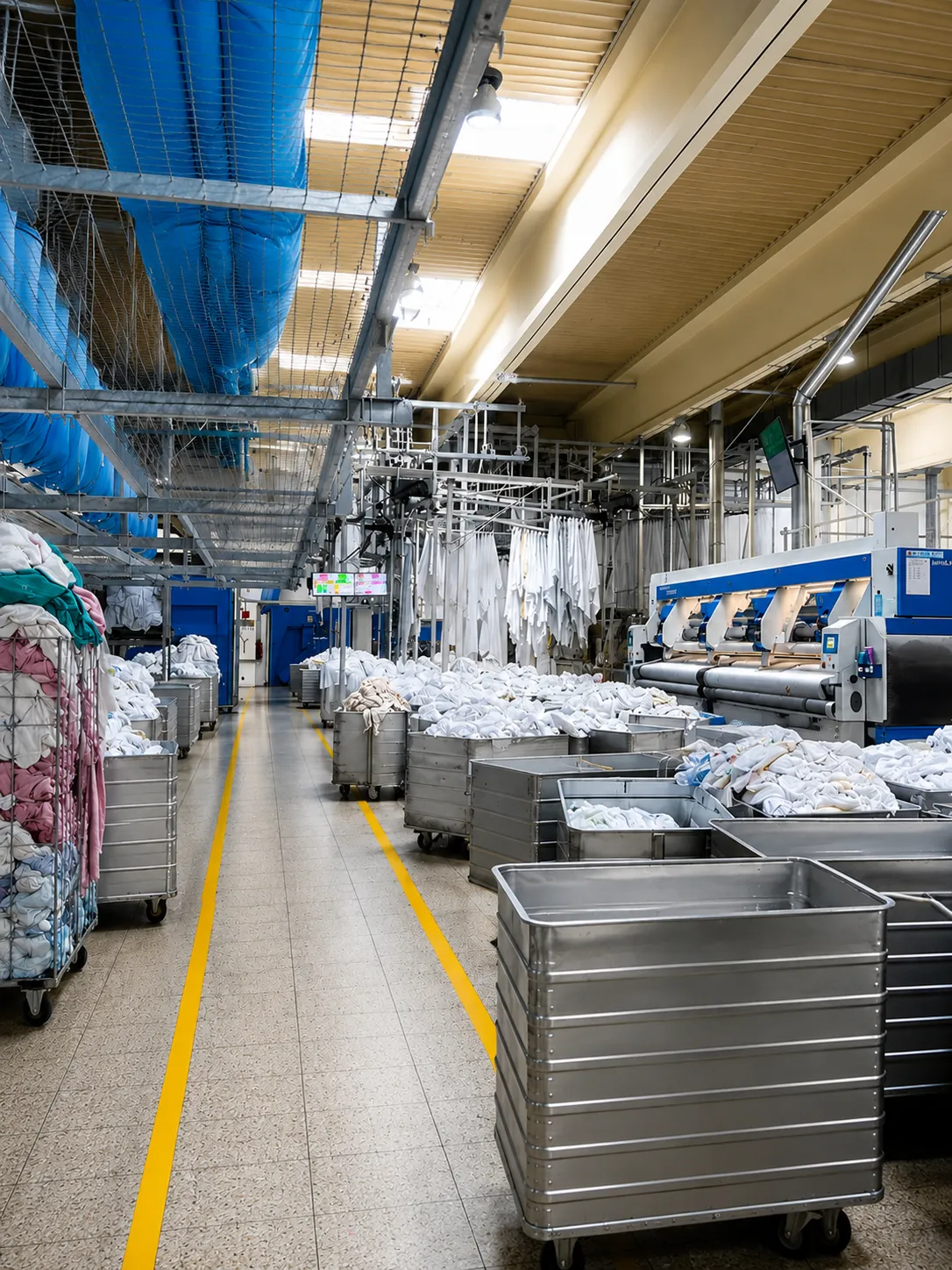
Infraestructura RFID para operaciones de lavandería
Los sistemas RFID para lavanderías industriales suelen combinar etiquetas RFID lavables, lectores operativos y software de seguimiento de textiles para facilitar los flujos de trabajo de procesamiento y el seguimiento de la circulación.
En función de las necesidades operativas, la tecnología RFID puede facilitar la verificación de la clasificación, el control de envíos, la visibilidad del inventario y la elaboración de informes operativos.
Un enfoque práctico para la implantación de la tecnología RFID
La implantación de la tecnología RFID en las lavanderías industriales debe ser práctica, escalable y estar adaptada a los flujos de trabajo operativos reales.
Los procesos de lavandería se enfrentan a diversos retos operativos, desde errores en el recuento manual y en la distribución hasta una visibilidad limitada de los textiles.
TEX-BIT se centra en primer lugar en las áreas de los flujos de trabajo de mayor impacto para mejorar la precisión operativa y la visibilidad desde el principio.
La implantación de la tecnología RFID en el sector de la lavandería suele realizarse por etapas: se empieza por el etiquetado y la captura de datos, para luego ampliarla a la visibilidad operativa y la automatización de los flujos de trabajo.
Este enfoque por fases facilita una adopción más fluida con una interrupción mínima de las operaciones.
Las operaciones de lavandería industrial implican calor, humedad, productos químicos y ciclos de lavado repetidos.
Las soluciones de TEX-BIT se han desarrollado en torno a etiquetas RFID duraderas para ropa, un rendimiento de lectura fiable y requisitos prácticos de implantación en entornos industriales.
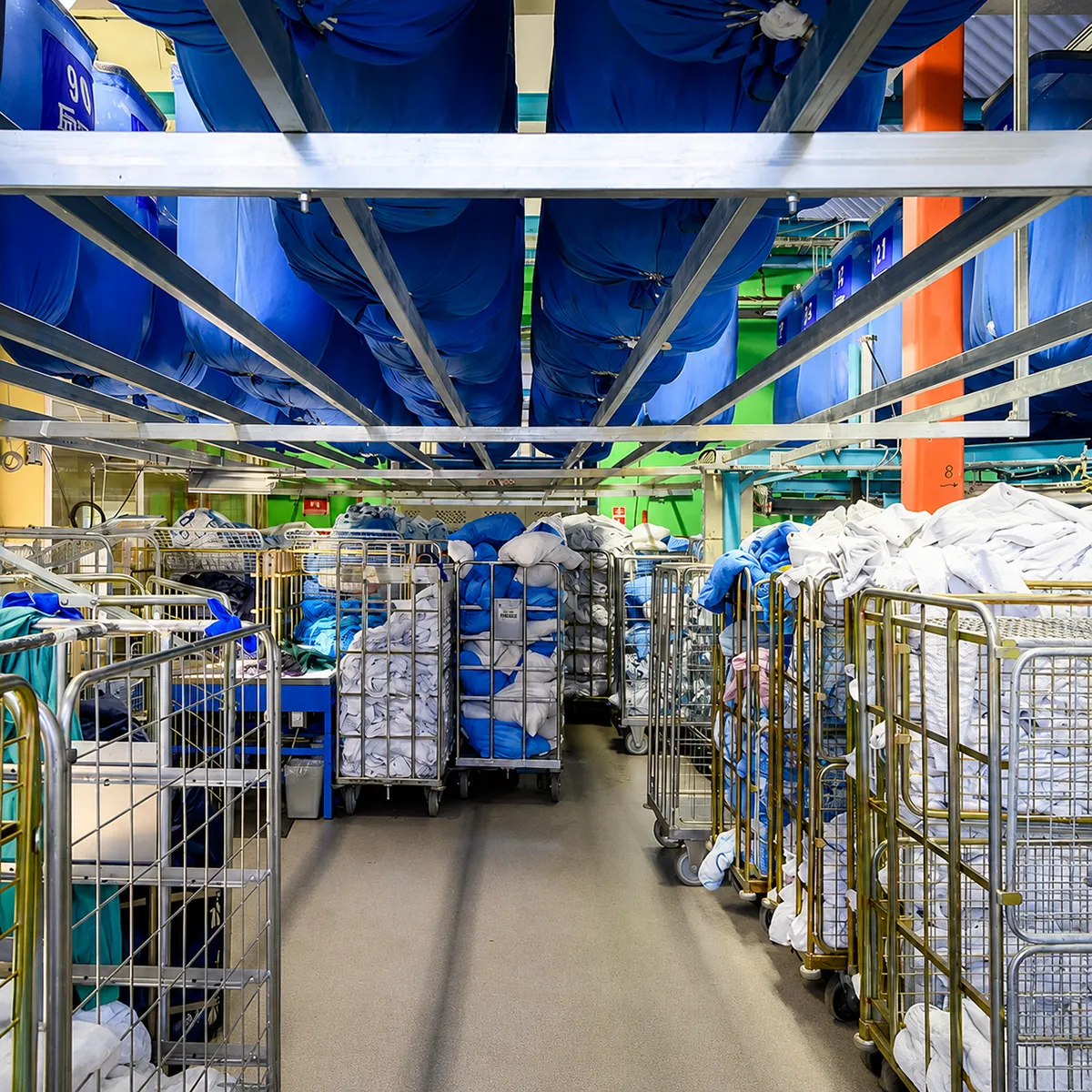
Mejora la visibilidad en todas tus operaciones de lavandería
Cuéntanos cuál es tu proceso de lavado y cuáles son tus requisitos clave. Te ayudaremos a identificar las etiquetas RFID y los lectores más adecuados, así como un enfoque práctico para su implantación.