
Apparel & Fashion RFID
Build a persistent product identity for lifecycle traceability, inventory visibility, future Digital Product Passport initiatives, and connected product services.
Why Product Traceability Matters
Fashion brands face growing demands for product transparency, sustainability reporting, and lifecycle accountability.
As supply chains become more complex and circular business models continue to evolve, organizations need better visibility into how products are manufactured, distributed, sold, used, reused, and eventually retired.
Reliable product traceability helps brands improve transparency, support sustainability initiatives, and prepare for emerging digital product requirements.

What RFID Enables
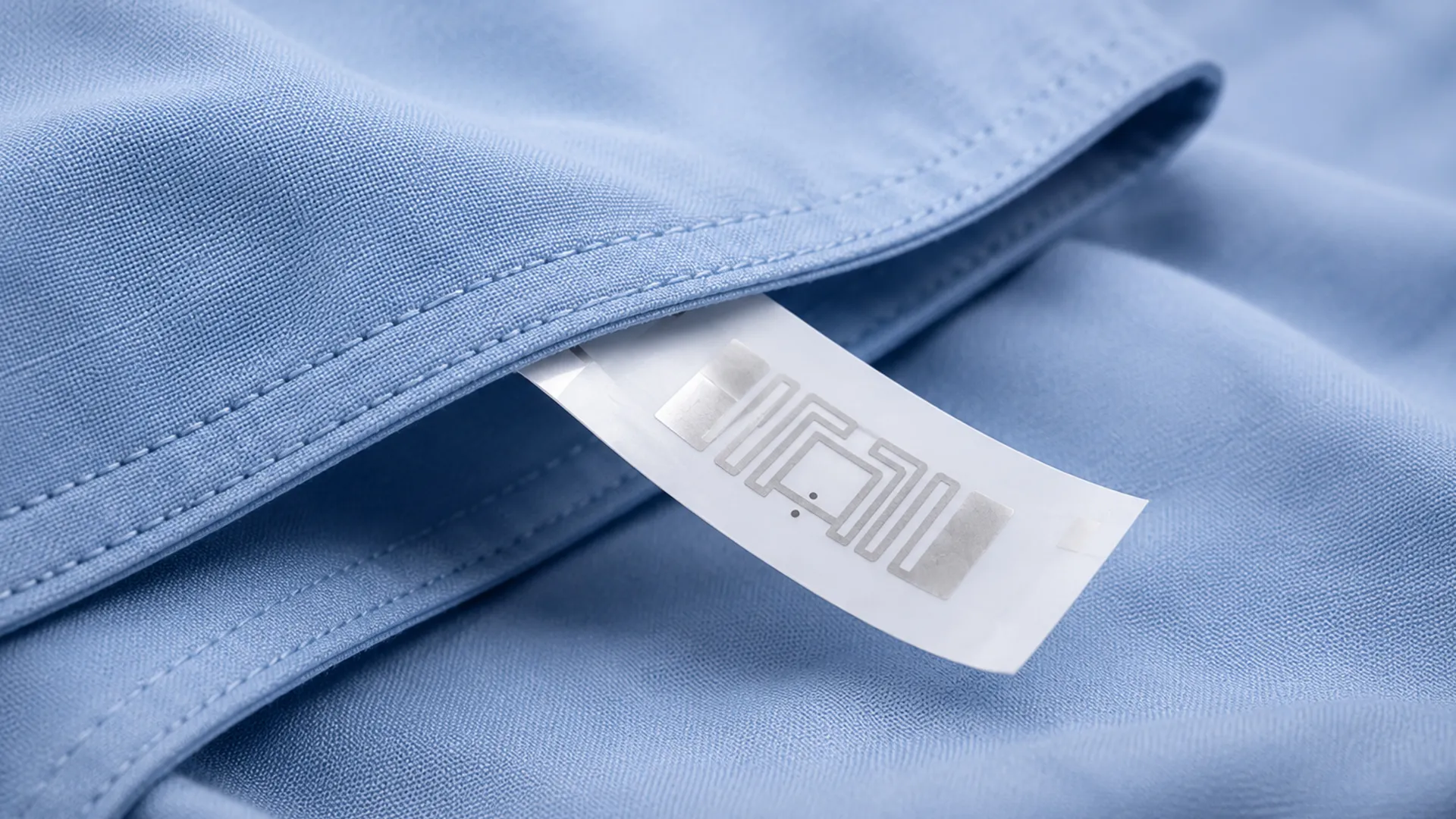
Washable RFID gives each garment a persistent identity that can remain associated with the product beyond the point of sale.
Unlike traditional labels that may be removed or discarded, washable RFID can support long-term product visibility across multiple operational and customer-facing environments.
Digital Product Identity
Assign a unique digital identity to every garment and maintain product-level visibility throughout its lifecycle. A persistent identifier creates the foundation for traceability, product information management, and future digital product initiatives.
End-to-End Lifecycle Visibility
Track products across manufacturing, distribution, retail, ownership, resale, and recycling activities. Continuous visibility helps organizations better understand product journeys and support transparency throughout the apparel lifecycle.
Connected Consumer Experiences
Connect physical products with digital content, authentication services, and customer engagement experiences. RFID can help bridge physical garments and digital services while supporting product transparency and brand engagement.
Apparel Lifecycle Visibility
A persistent RFID identity helps connect lifecycle events across production, retail, ownership, and circular fashion activities, creating a stronger foundation for traceability and future Digital Product Passport initiatives.
Product Creation
Assign a unique RFID identity during manufacturing to establish product-level traceability. The identity remains linked to the garment throughout its lifecycle.
Manufacturing & Distribution
Maintain visibility as products move through production, logistics, and distribution. Consistent records help improve operational coordination and shipment accuracy.
Retail & Customer Purchase
Support accurate product identification at the point of sale and beyond. Visibility at the retail stage can improve inventory accuracy and customer confidence.

Product Ownership
Enable access to product information, authentication services, and digital records. A persistent identity helps connect garments with relevant ownership data.
Reuse & Resale
Support resale, rental, repair, and other circular fashion initiatives. Product-level traceability helps preserve continuity of information across ownership transitions.
Recycling & Retirement
Maintain lifecycle history through end-of-life processing and recycling activities. Historical records can support sustainability reporting and future compliance needs.
Preparing for Digital Product Passports
Digital Product Passports (DPPs) are expected to play an increasingly important role in the future of the textile and fashion industry.
By linking a physical product to a persistent digital identity, RFID can help support product-level information management throughout the garment lifecycle.
This foundation can assist brands in preparing for future transparency, sustainability, and regulatory requirements.
* Product Identification
Maintain a unique and persistent product identity.
* Material Information
Connect garments with material and sourcing data.
* Lifecycle Records
Support traceability across ownership and operational events.
* Sustainability Information
Enable access to product sustainability and circularity data.

Supporting Connected Product Experiences
Beyond operational visibility, RFID can help connect physical products with digital services, creating new opportunities for authentication, customer engagement, transparency, and post-purchase experiences.
Product Authentication
Enable item-level verification using a unique digital identity associated with each garment.
Authentication services can help support brand protection, product validation, and customer trust.
Digital Care Information
Provide access to care instructions, material composition, product specifications, and other digital records.
A connected identity creates a more flexible alternative to traditional printed product information.
Customer Engagement
Support repair programs, resale initiatives, rental models, and other circular fashion activities.
Persistent product identities help maintain continuity as garments move through multiple ownership stages.
Brand Transparency
Connect lifecycle data with sustainability reporting and future Digital Product Passport initiatives.
Improved data accessibility can help brands prepare for evolving transparency requirements.
Bring Digital Identity to Apparel Products
Explore how washable RFID can support traceability, transparency, and connected product experiences across the apparel lifecycle.